
Water Softeners
URBAN PLUMBING SERVICES
Water Softener Installation in Fort Worth, TX
Hard water carries dissolved minerals, primarily calcium and magnesium, that can leave scale and mineral deposits throughout your home. You may notice white buildup around faucets and showerheads, spots on fixtures, or stubborn residue that keeps returning after cleaning.
Urban Plumbing Services provides residential water softener installation in Fort Worth and surrounding DFW communities. Led by licensed Master Plumber Charles Urbanovsky (M-23006), we bring more than 40 years of plumbing experience to helping homeowners address hard-water concerns with practical solutions.
WATER SOFTENER
How a Water Softener Helps With Hard Water
As hard water moves through your plumbing, calcium and magnesium can contribute to scale buildup on fixtures, surfaces, and other parts of the system.
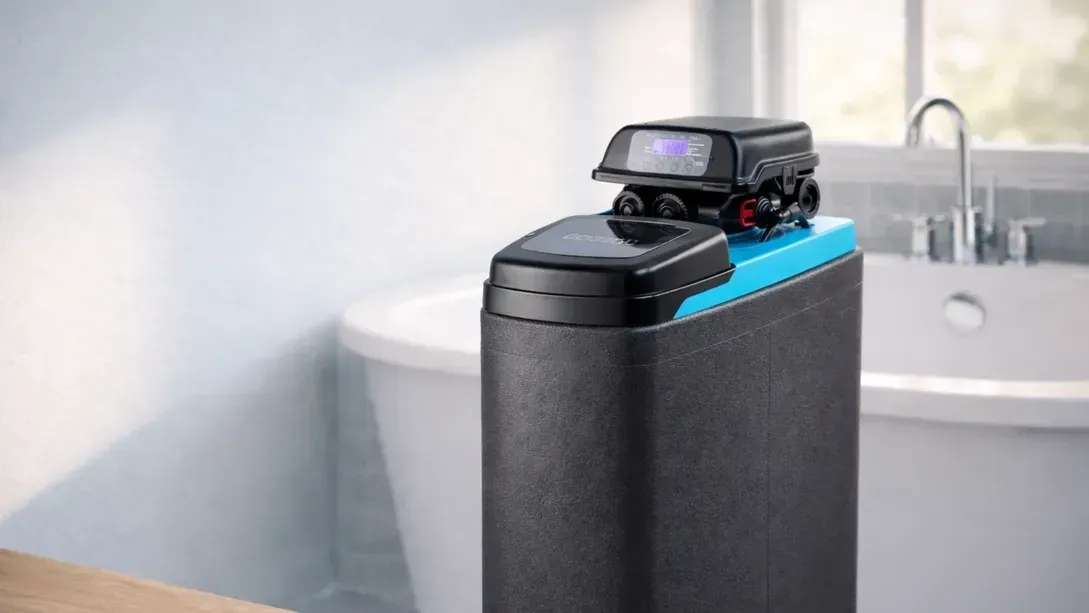
A traditional water softener addresses hardness through an ion-exchange process. Water passes through a resin tank, where hardness minerals are captured by resin beads. The system periodically regenerates using a brine solution so the resin can continue treating incoming water.
Once connected to the home's water supply, the system treats water automatically as it moves through the plumbing.
SIGNS
Signs You May Have Hard Water
Consider discussing water softener installation if you notice:
- White scale around faucets or showerheads
- Mineral deposits on plumbing fixtures
- Spots or residue on sinks and other surfaces
- Soap residue that is difficult to rinse away
- Scale that repeatedly returns after cleaning
These signs can be associated with hard water. We can evaluate your needs and discuss an appropriate water-softening solution for your household.
Residential Water Softener Installation
Choosing a water softener involves more than selecting a unit. The system should be appropriate for your home's water conditions, household usage, and plumbing configuration.
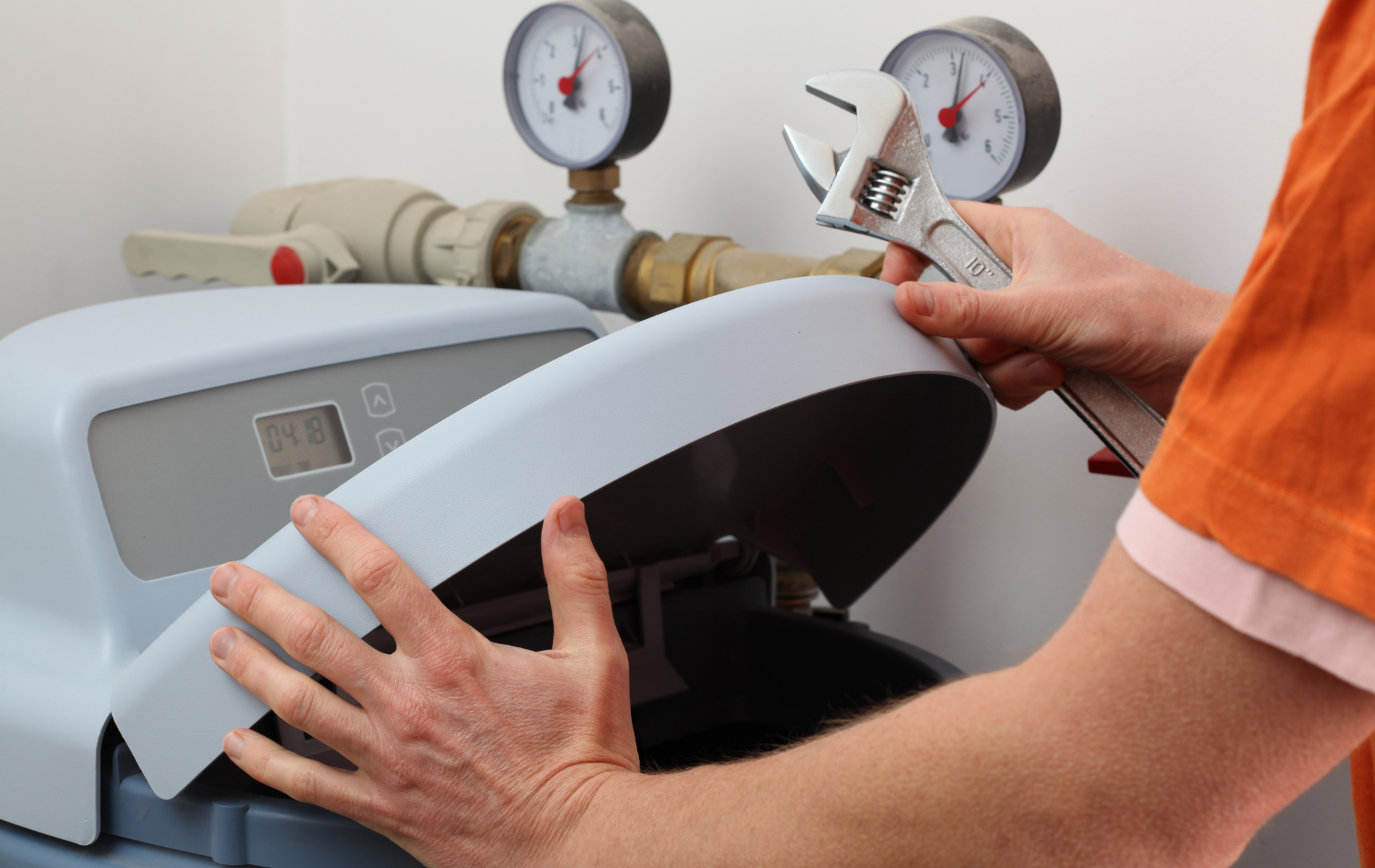
Installation typically involves connecting the softener to the home's water supply and configuring the system for proper operation. Depending on the equipment and installation, the system may include resin and brine tanks and a bypass configuration.
We evaluate the plumbing involved and discuss your needs before recommending the appropriate next step. Our approach is practical: we don't push unnecessary equipment or a larger system simply for the sake of an upgrade.
For related supply-line plumbing needs, visit our [Water Line Repair] page. You can also explore our complete [Plumbing Services].
What to Expect From a Water Softener
Once a properly configured water softener is operating, homeowners may notice less scale forming around faucets and showerheads and fewer hard-water deposits on fixtures.
Traditional systems also require ongoing care. They periodically regenerate and typically require salt to maintain the brine solution. How often regeneration occurs and how much salt is used can depend on water hardness, household water consumption, and system settings.
Proper sizing matters as well. Water usage and hardness levels can help determine the appropriate capacity for a household rather than relying on a one-size-fits-all recommendation.
WHY CHOOSE US
Why Choose Urban Plumbing Services?
40+ Years of Experience
Master Plumber Charles Urbanovsky brings more than 40 years of hands-on plumbing experience to residential plumbing systems, installation, repair, and troubleshooting.
Family Roots in Plumbing
Our knowledge is rooted in generations of plumbing experience, with practical skills and a commitment to doing the job right passed down through the family.
Honest Recommendations
We explain your options clearly and recommend practical solutions based on your home's plumbing and water-softening needs.
Licensed and Insured
Urban Plumbing Services is licensed and insured and led by licensed Master Plumber Charles Urbanovsky (M-23006).
FAQs
Water Softener FAQs
What does a water softener do?
A traditional water softener reduces hardness minerals such as calcium and magnesium through ion exchange, helping address scale and mineral buildup associated with hard water.
Does a water softener require salt?
Traditional ion-exchange systems generally use salt during regeneration. Usage varies based on water hardness, household consumption, and system settings.
Can you install a new water softener?
Yes. We provide residential water softener installation and can evaluate your home's plumbing and water-softening needs before discussing an appropriate system.
How do I know what size water softener I need?
Sizing can depend on household water usage and water hardness. We evaluate your needs rather than recommending the same system for every home.
URBAN PLUMBING SERVICES
Schedule Water Softener Installation in Fort Worth
If hard water and mineral buildup are affecting your home, schedule service with Urban Plumbing Services. We'll evaluate your needs, explain your options, and help determine an appropriate solution.
PHONE
(682) 368-2496
ESTIMATES
$89 estimate fee
BOOKING HOURS
MONDAY TO FRIDAY: 8:00AM - 5:00PM