Plumbing Solutions That Match Your Design Vision
Kitchen & Bath Remodeling in The DFW for fixture upgrades, layout changes, and complete system overhauls
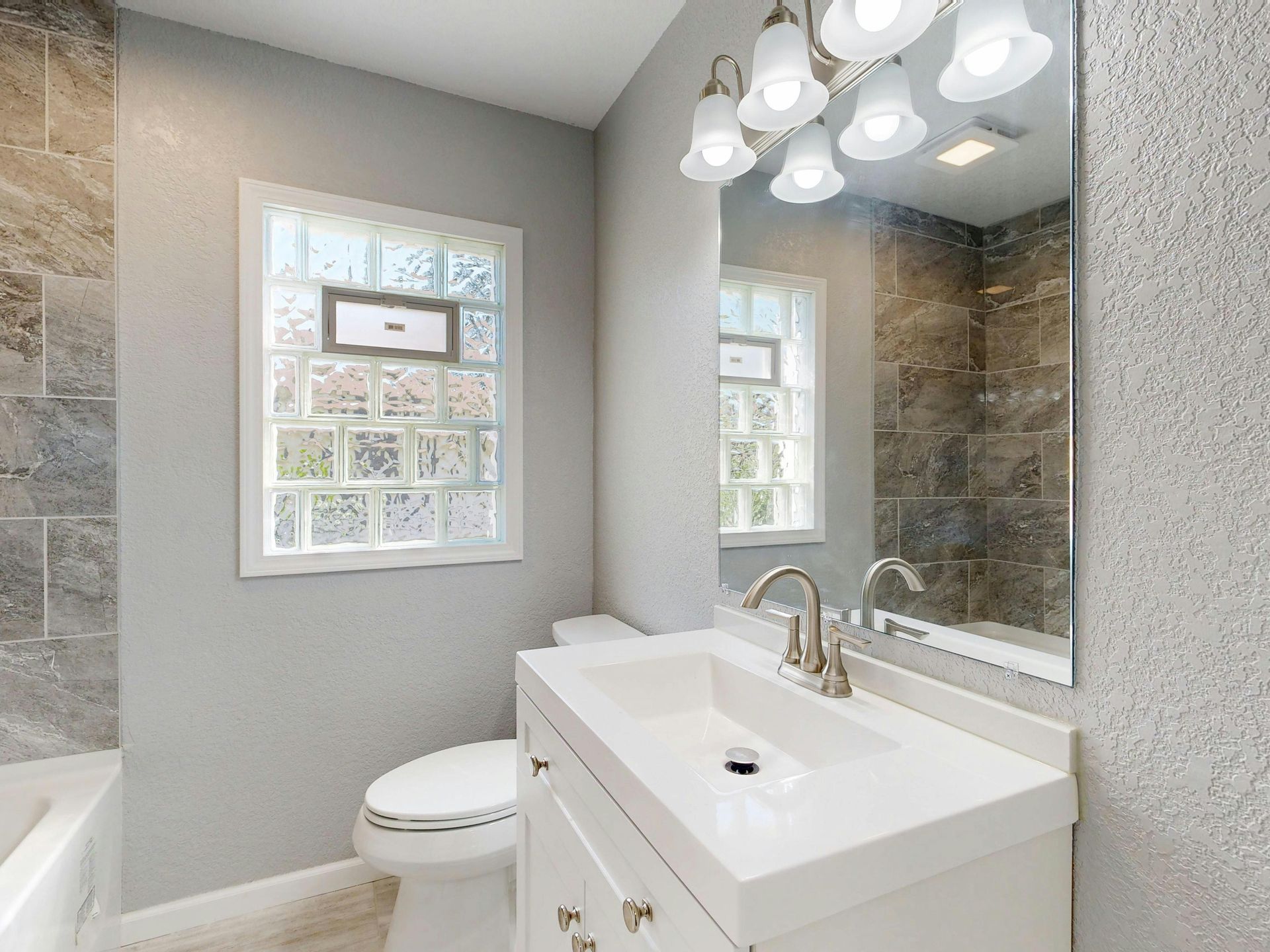
Remodeling projects fail when beautiful design choices meet plumbing reality without professional guidance on what's feasible within existing infrastructure. Urban Plumbing Services provides complete plumbing support for kitchen and bathroom renovations in Dallas and the surrounding areas, installing sinks, faucets, showers, tubs, and upgraded supply systems that work within your budget and design goals. The finished space delivers hot water at adequate pressure, drains without slow flow, and operates reliably without leaks at new connection points.
Installation work ranges from simple fixture swaps that reuse existing supply and drain locations to full relocations requiring new pipe runs through walls and floors. Complex remodels may involve moving a toilet to a different wall, installing a multi-head shower system that demands higher flow capacity, or adding a second sink where plumbing never existed. Each change requires evaluating whether current pipe sizing supports the new configuration, whether drain slope can be maintained with altered routing, and whether structural modifications are needed for new fixture locations.
Request a remodeling consultation to review your design plans and identify plumbing requirements before demolition begins.
What Proper Remodel Plumbing Involves
Remodel plumbing begins with evaluating existing supply and drain line locations, confirming adequate flow capacity for upgraded fixtures, and planning new routing that minimizes structural impact while maintaining code-required slopes and clearances. The plumber coordinates with other trades to sequence work efficiently, installs backing and blocking for wall-mounted fixtures before drywall closes, and pressure-tests new lines before finishes are applied. Final trim-out occurs after tile, countertops, and flooring are complete to prevent damage to finished surfaces.
Once installation is complete, your new fixtures deliver water at consistent temperature and pressure, drains empty quickly without standing water in basins, and all connections remain dry during normal use. You notice improved functionality from better-designed layouts, modern fixtures that operate more smoothly than older models, and confidence that concealed plumbing will perform reliably because it was installed correctly from the start. These outcomes depend on proper planning and execution, not just fixture quality.
Budget considerations in remodel plumbing often center on the cost difference between working within existing layouts versus relocating fixtures. A toilet moved three feet requires new drain line routing, possible floor joist modification, and vent reconfiguration that can add substantially to project cost compared to replacing a toilet in its current location with a higher-quality model.
What Property Owners Usually Ask
Homeowners planning kitchen and bath remodels want to understand how plumbing decisions affect project scope, cost, and long-term satisfaction.
What plumbing limitations might affect my remodel design plans?
Existing drain line locations constrain where fixtures can be placed without major structural work, supply line capacity limits how many high-flow fixtures can operate simultaneously, and vent stack locations determine feasible drain routing. A plumber reviewing plans before finalization can identify conflicts early, suggest alternatives that achieve similar results with less structural impact, and prevent costly surprises during construction.
How do I know if my water pressure can support upgraded shower systems?
Multi-head showers and rainfall heads require significantly higher flow rates than standard single-head fixtures. The plumber measures static and dynamic pressure, calculates total fixture demand, and determines whether existing supply line sizing and water heater capacity support the upgrade. In some cases, a larger water heater or supply line upsizing is needed before installing high-flow fixtures.
What hidden costs should I anticipate in bathroom plumbing remodels?
Access challenges like removing tile to reach concealed shutoff valves, unexpected pipe deterioration discovered during demolition, and code updates requiring vent modifications or supply line materials not used in the original installation all affect final cost. Building in contingency for unknowns typical in older homes prevents budget overruns when hidden conditions emerge.
When should I replace supply lines during a remodel even if they're not leaking?
If existing supply lines are galvanized steel showing external corrosion, copper with visible green oxidation, or polybutylene plastic known for premature failure, replacement during remodel prevents future leaks behind new finishes. The incremental cost of new supply lines is minimal when walls are already open compared to emergency repairs that damage completed work.
How does plumbing work sequence with other remodeling trades in Dallas and the surrounding areas projects?
Plumbing rough-in occurs after demolition and framing but before electrical and drywall, allowing pipe routing without conflicts. Fixture trim-out happens last, after tile, countertops, flooring, and paint are complete to prevent damage during finishing work. Clear sequencing prevents delays and protects completed work from damage by subsequent trades.
Urban Plumbing Services works with homeowners and contractors to turn remodeling ideas into functional reality with practical plumbing solutions for every budget level. Call (682) 368-2496 to schedule an estimate and discuss your kitchen or bathroom remodeling project.