Safe Gas Line Work for Every Application
Gas Line Repair & Installation in The DFW for appliance connections, outdoor fire features, and damaged line sections
Gas line work requires precision and strict adherence to safety protocols because even minor leaks introduce serious hazards. Urban Plumbing Services provides gas line repair and installation in Dallas and the surrounding areas when homeowners smell gas near appliances, need new connections for ranges or water heaters, or want to add fire pits and outdoor grills to their properties. Properly installed lines deliver fuel at correct pressure without odor, visible corrosion, or pressure loss during simultaneous appliance operation.
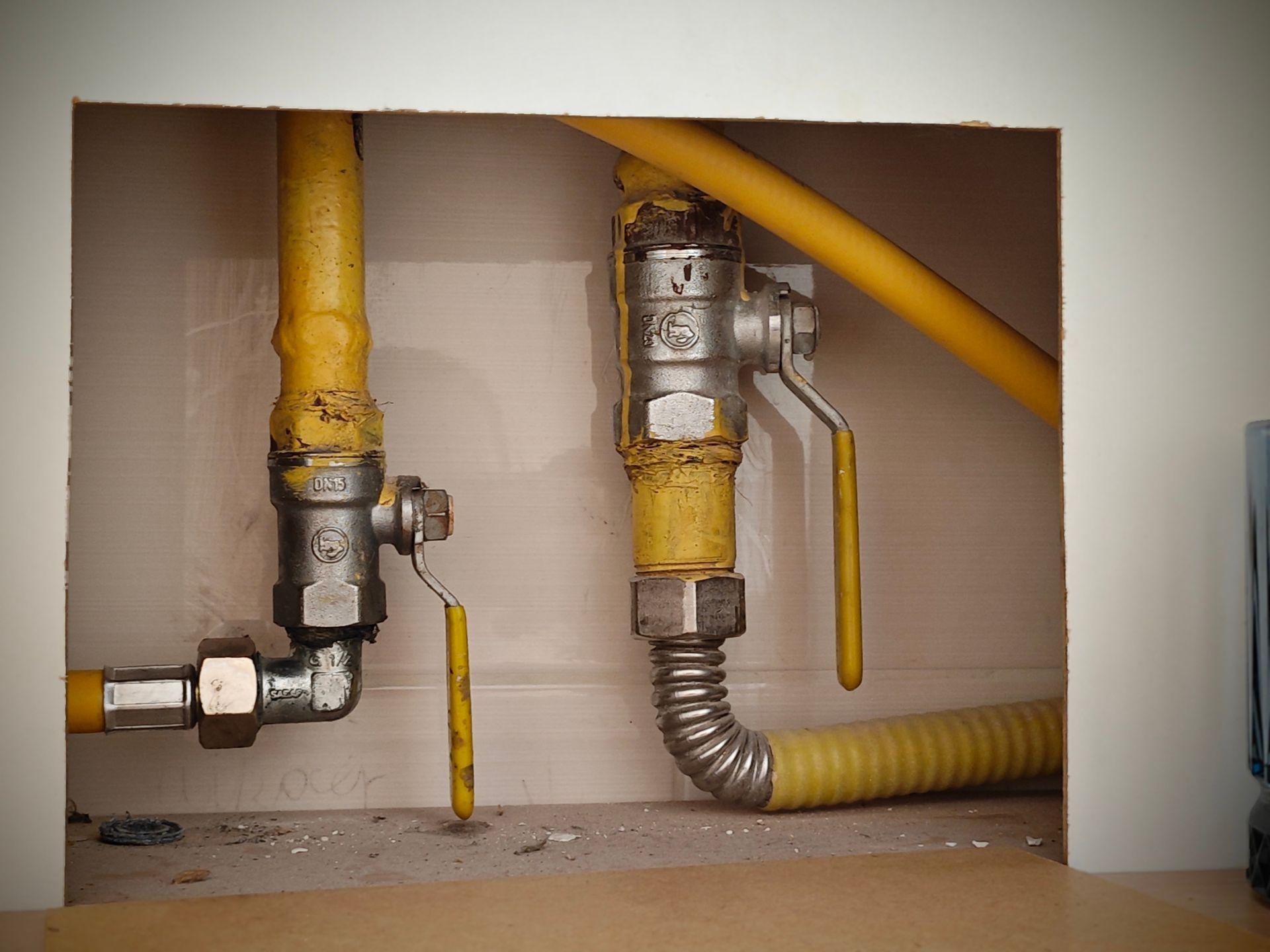
Installation involves sizing pipe diameter to match appliance BTU requirements, running black iron or CSST flexible line through walls or underground trenches, testing connections with soap solution and manometer pressure readings, and ensuring all joints are sealed and supported according to code. Repair work addresses corrosion at threaded joints, impact damage from landscaping or construction, and outdated materials that no longer meet current safety standards. Every connection must hold pressure under testing before the system is returned to active use.
Request an on-site assessment to plan gas line routing for new appliances or evaluate existing lines showing signs of age or damage.
Why Proper Gas Line Installation Matters
Gas line installation begins with calculating total BTU demand across all connected appliances to determine required pipe diameter and pressure regulation. The technician maps the route from the meter to each connection point, selects appropriate materials based on whether the line runs exposed or buried, installs shutoff valves at each appliance location, and pressure-tests the entire system before final connection. Black iron pipe provides durability for exposed runs, while corrugated stainless steel tubing allows flexible routing through tight spaces and reduces installation time for complex layouts.
Once installation is complete, each appliance ignites reliably without delayed ignition or weak flames, the gas odor disappears entirely after initial air purge, and pressure readings remain stable during peak demand periods. You notice consistent burner performance across all fixtures, no hissing sounds near connection points, and appliances that maintain proper flame color and heat output. These indicators confirm the system delivers fuel safely and efficiently without restriction or leakage.
Outdoor installations for grills and fire pits require burial depth that protects lines from freeze damage and accidental excavation, typically eighteen inches in Dallas and the surrounding areas where freezing occurs occasionally. Lines installed too shallow risk rupture from ground movement or garden tools, while improper venting of appliances in enclosed spaces creates carbon monoxide hazards unrelated to the gas line itself.
Answers to Frequent Service Questions
Gas line work raises specific safety and planning questions that affect project scope and timeline.
What are the signs of a gas line leak that require immediate repair?
A persistent sulfur or rotten egg odor near gas appliances, hissing sounds at pipe joints, dead vegetation above buried lines, or higher than normal gas bills without increased usage all indicate potential leaks. If you detect gas odor, shut off the main valve at the meter, evacuate the building, and call from a remote location rather than attempting to locate the leak yourself.
How is gas line installation different for outdoor fire features compared to indoor appliances?
Outdoor installations require UV-resistant materials, deeper burial to prevent freeze damage, and often longer runs from the meter that affect pipe sizing calculations. Fire pits and grills typically use quick-disconnect fittings for seasonal removal, while permanent installations include dedicated shutoff valves and protective sleeves where lines emerge from the ground.
What materials are used for gas line installation in Dallas and the surrounding areas residential projects?
Black iron pipe remains standard for exposed runs due to durability and inspector familiarity, while CSST flexible tubing simplifies installations through finished walls and tight spaces. Copper is prohibited for gas use, and galvanized pipe is no longer approved due to internal flaking that can clog regulators. Material choice depends on run length, accessibility, and local inspection requirements.
When should old gas lines be replaced rather than repaired?
Lines installed before 1970 often used materials or methods no longer considered safe, including undersized pipe that restricts flow or threaded joints that have corroded internally. If a home has had multiple leak repairs, shows widespread corrosion, or requires additional capacity for new appliances, replacing the affected section or entire run provides better long-term value than continued patching.
How long does a typical gas line installation take for a new appliance?
A straightforward connection from an existing line to a nearby appliance typically takes two to four hours including pressure testing and inspection. Installations requiring new runs from the meter, wall penetrations, or coordination with appliance delivery extend to a full day. Underground runs for outdoor features add time for trenching and backfill, especially when routing around existing landscaping or hardscaping.
Urban Plumbing Services handles gas line repair and installation with the precision and safety protocols this work demands. Call (682) 368-2496 to discuss your gas line project requirements and schedule professional service.