Hot Water That Lasts Through Morning Showers
Water Heater Repair & Installation in The DFW for no hot water, inconsistent temperatures, and system failures
Running out of hot water halfway through a shower or noticing temperature swings from scalding to cold often indicates your water heater is struggling to maintain consistent performance. Urban Plumbing Services diagnoses issues with both traditional tank and tankless water heaters throughout Dallas and the surrounding areas, determining whether the problem stems from a failing heating element, mineral buildup, or a malfunctioning control system. You receive clear guidance on whether a repair will restore reliable operation or whether replacement is the more cost-effective long-term solution.
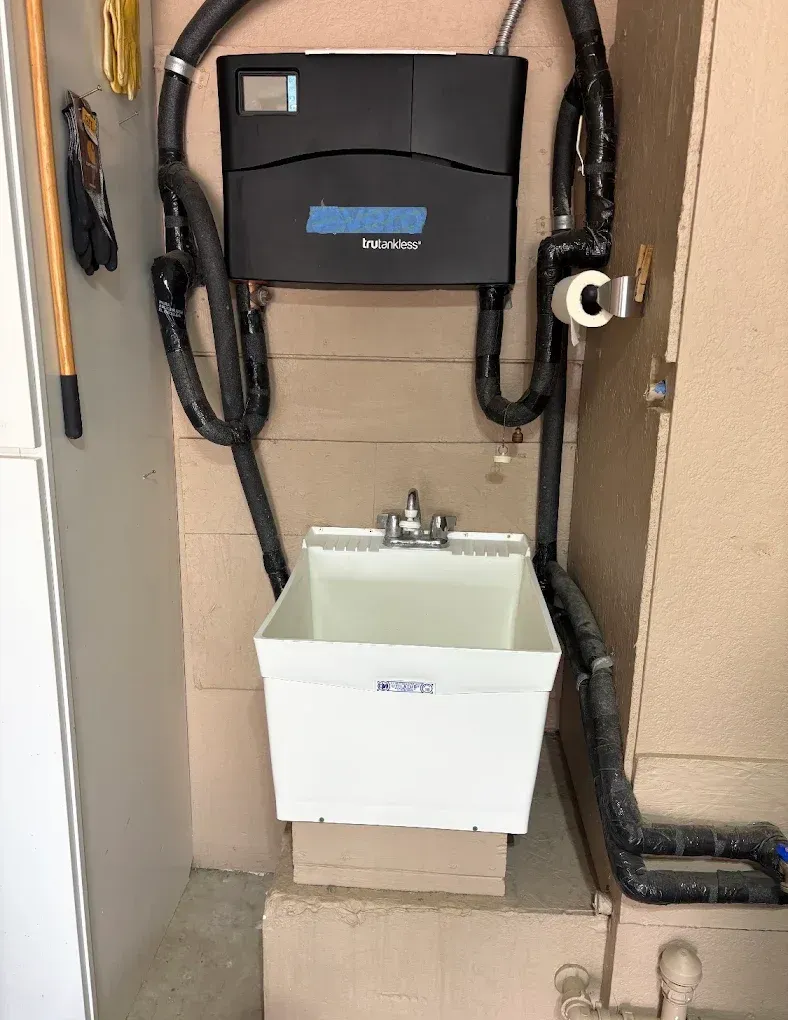
Diagnostics include testing heating elements, checking thermostat calibration, inspecting anode rods for corrosion, and evaluating sediment buildup in tank-style systems. Tankless water heaters require annual descaling to remove mineral deposits that collect inside the heat exchanger over time. Without yearly maintenance, scale buildup restricts water flow, reduces heating efficiency, increases energy usage, and causes inconsistent water temperatures. In severe cases, neglected descaling can shorten the lifespan of the unit and lead to costly component failure. Both gas and electric systems have distinct failure patterns, and repair recommendations are tailored to the fuel type and system configuration.
Request same-day diagnostics to determine whether your water heater needs repair, replacement, or annual descaling maintenance.
How Water Heater Service Addresses Performance Issues
Repair-first options address specific component failures—replacing heating elements, flushing sediment, or recalibrating thermostats restores output when the tank or heat exchanger remains structurally sound. Installation becomes necessary when tank corrosion causes leaks, when repeated component failures indicate systemic wear, or when upgrading to a more efficient model reduces long-term energy costs.
Once the system is repaired or replaced, you notice consistent water temperature across all fixtures, sufficient hot water capacity for household demand, and no pooling water around the unit base. Energy-efficient upgrades lower monthly utility costs, particularly when replacing older tank models with high standby heat loss or upgrading to tankless systems sized correctly for your usage patterns.
Proper installation ensures correct venting for gas units, appropriate electrical supply for electric models, and correct pressure relief valve configuration to prevent safety hazards. Sizing calculations account for household occupancy and peak usage periods, preventing undersized replacements that run out of hot water during high-demand times.
Answers to Frequent Service Questions
Water heater issues raise concerns about repair costs, replacement timing, and system options. These responses address what property owners typically ask before scheduling service.
What causes a water heater to stop producing hot water suddenly?
Electric units often experience heating element failure or tripped breakers, while gas units may have pilot light issues, gas valve failures, or thermocouple malfunctions. Diagnostics identify which component failed and whether replacing it restores full function or whether multiple failing parts indicate the unit should be replaced.
How does sediment buildup affect water heater performance?
Minerals in the water supply settle at the tank bottom, insulating the heating element from the water and forcing the unit to run longer to reach temperature. Sediment also accelerates tank corrosion and reduces capacity, causing you to run out of hot water sooner than when the unit was new.
When should I choose tankless over traditional tank water heaters?
Tankless systems provide endless hot water for homes with high simultaneous demand and reduce energy waste from maintaining a full tank at temperature continuously. Traditional tanks cost less upfront and handle peak loads without complex sizing calculations, making them practical for homes with moderate usage patterns.
Why do water heaters in Dallas and the surrounding areas accumulate sediment faster than expected?
Water hardness levels affect sediment accumulation rates—homes with well water or municipal supplies high in dissolved minerals experience faster buildup. Annual flushing extends tank life and maintains heating efficiency in areas with hard water.
What safety issues require immediate water heater replacement?
Visible corrosion causing water leaks, gas odors near gas units, or pressure relief valves that fail to operate properly create hazards that cannot be addressed through component repair. Replacement eliminates risks of flooding, gas leaks, or pressure failures.
Urban Plumbing Services provides same-day water heater diagnostics and replacement estimates for properties in Dallas and the surrounding areas, with repair options presented before replacement recommendations. Contact us to restore consistent hot water and evaluate energy-efficient upgrade options.